
Account security
A Password Manager Plan That Leaves Room for Privacy
Start with one everyday login and agree who needs access, what stays private and how the owner gets back in.
Treat a number change as a set of account updates, not a single switch made by the mobile carrier.
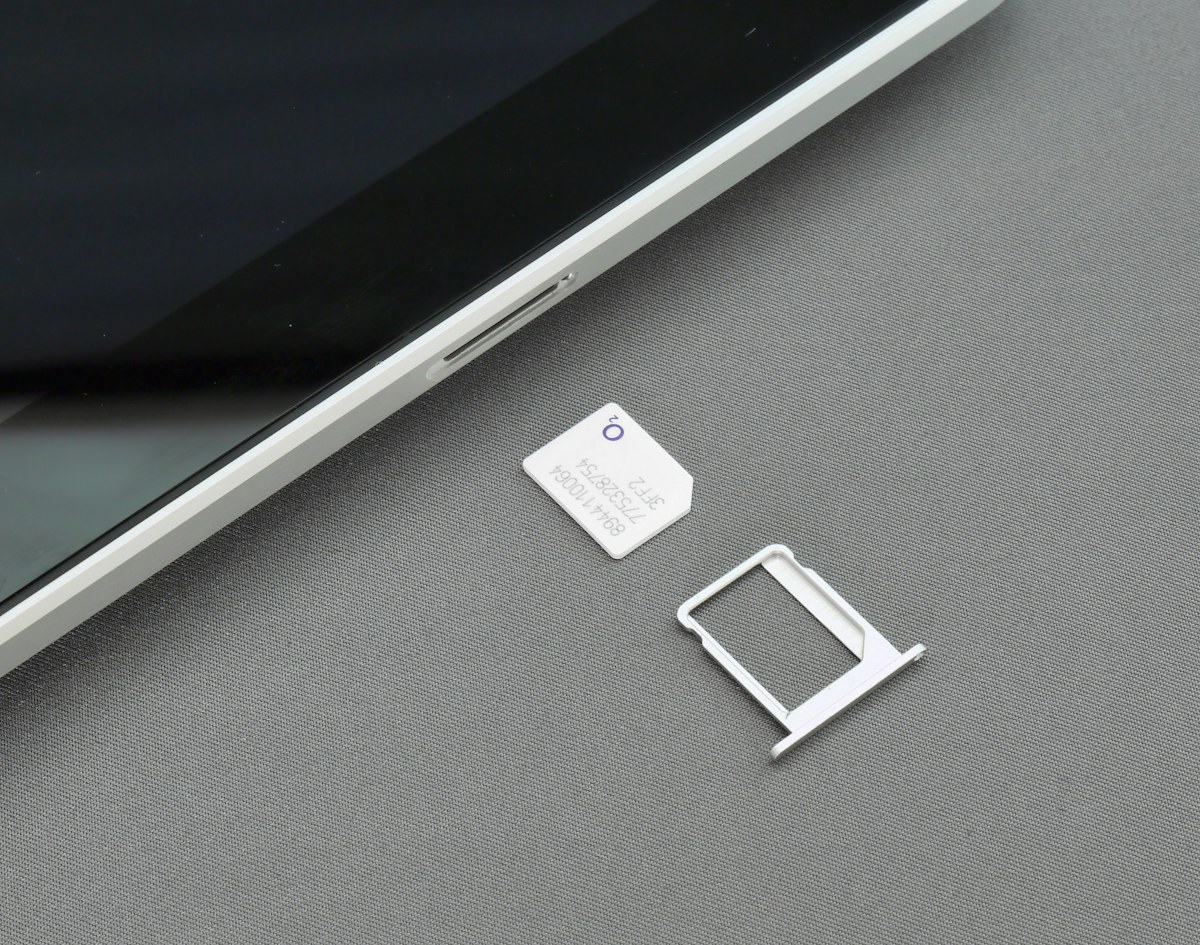
A phone number can be a contact detail in one place, a sign-in name in another and a recovery route somewhere else. Changing it with the carrier does not automatically update all those uses. I would make the account transition while the old number is still under your control, when that is possible.
Consider a hypothetical reader changing both handset and number. Their everyday messaging works on the new phone, but a less frequently used account still sends verification to the old number. Nothing on the new home screen reveals that dependency. A short inventory of how important accounts use the number is more useful than assuming that a successful first call means the change is finished.
Start by distinguishing three situations. You may be keeping your number but replacing the device, moving the same number to another carrier, or giving up the number entirely. Each can affect access differently. An authenticator stored on the old handset, for example, is a device dependency rather than simply a telephone-number setting.
Write down which parts of your situation are changing and which remain available. Include the planned date the old service stops, if known, but confirm the arrangement with the carrier rather than relying on an assumption. Account providers may have their own verification requirements that do not follow the carrier’s schedule.
For the hypothetical reader, the priority is not a mass message announcing the new number. It is making sure that essential accounts have a usable, authorized route after the old handset and number are gone. If you are only changing the handset, do not unnecessarily remove a still-valid number from every account in the process.
Begin with services whose loss would create immediate difficulty: primary email, the mobile carrier, important financial services and any account used to recover other accounts. Then consider less frequent uses such as utilities, healthcare portals or a service you open only when travelling. This is a prioritization exercise, not a requirement to update every shopping profile before doing anything else.
For each account, identify whether the number is used for contact, alerts, sign-in, two-step verification or recovery. More than one role may apply, and the settings may be separate. A profile page showing the new number is not enough evidence that an old verification method has been removed.
Keep the list free of passwords and verification codes. A service name, the role of the number, the setting reviewed and the next action are enough. The list should help you find unfinished work without creating another sensitive document that exposes the accounts it is intended to protect.
Google’s account documentation says that changing a phone number in the account affects only some services. Other uses, including two-step verification, may need separate attention. Its recovery guidance also explains that new recovery information can take time to become effective and that previous recovery information may remain available for a limited period.
Those are reasons to check the provider’s current instructions, not to assume an instant, universal switch. They are Google-specific details; a bank, messaging service or another account provider can use a different process. Follow the actual service’s guidance for the account type and region involved.
When reviewing an important account, record the result honestly. Changed, awaiting verification and not yet checked are different states. A reminder to revisit a pending change is more useful than marking the entire task complete after saving one field. Avoid repeated improvised changes that make it harder to tell which method currently works.
Before giving up an existing recovery route, review the alternatives the service supports. They may involve another device, a recovery email, a security key or a provider-specific process. Availability varies. Use an alternative that belongs to you and that you can access independently of the number you are retiring.
Do not sign out of the only working session merely to make the test more dramatic. Use the provider’s documented verification or setup process and confirm the information you are allowed to check. If a service warns of a waiting period, treat it as unfinished work rather than a reason to disable protections.
The hypothetical reader might discover that the recovery email is itself accessible only through a code sent to the old number. That is a dependency worth addressing before the handoff. A recovery label alone does not make an option independent. Follow each route far enough to understand what would be needed, while keeping current legitimate access available.
A new-number announcement can resemble the opening of an impersonation scam. Use an established channel while you still control it, and keep the message limited to the contact change. Do not combine it with an urgent payment request or a demand that recipients delete every previous conversation immediately.
For close contacts, agree on a way to confirm an unexpected message using information or a route they already have. Posting the new number publicly is not required just because several people need it. Choose an audience appropriate to the relationship and avoid including account-recovery details in the announcement.
Businesses that use the number for important alerts may require an update inside the actual account rather than a general email. Confirm the process rather than assuming a customer-service conversation updated every system. Keep a note of any promised follow-up and check it through the provider’s official channel if the change does not appear.
After the transition, an occasional old-number prompt may reveal a missed account. Do not ask whoever now controls that number to forward verification codes. They are not part of your recovery process, and involving them can expose both people to confusion or misuse. Use the account provider’s official recovery options.
If you still have a legitimate signed-in device, follow the service’s instructions from there. If you are locked out, be precise about what remains accessible and what changed. Avoid paying an unknown helper who promises to bypass the provider’s recovery checks. A private list of unfinished accounts can keep the task organized without encouraging risky shortcuts.
At the end of the review, distinguish account changes from carrier arrangements. Removing an old number from a profile does not cancel a mobile contract, and a carrier cancellation does not remove every saved number online. Each process needs its own confirmation. Keep the completed record only as detailed as necessary for the remaining follow-up.
Not always. Replacing a handset can affect authenticator apps, trusted-device status and locally stored credentials even when the number stays the same. Follow each important provider’s device-transfer instructions. First identify which part is changing so you do not confuse a handset migration with replacing the telephone number used for recovery.
Do not assume so. Some services keep contact, recovery and verification settings separately. Google explicitly notes that an account-level number change affects only some services. Review the actual sign-in and recovery settings for each important account and mark any verification or waiting period as unfinished until the provider’s process is complete.
Providers may retain old recovery options temporarily or maintain separate uses of the number. Google describes transition periods for certain recovery changes, but its rules are not universal. Read the current help for the account and check which function is asking for the number. Avoid interpreting every old-number prompt as evidence of account compromise.
Use the provider’s official recovery process and the legitimate devices or alternatives still available to you. Do not ask a new number holder to relay codes or give an unknown helper your credentials. Describe the change accurately to official support. Recovery is not guaranteed, which is why preparing alternatives before a planned change is valuable.
Keep an account checklist, but leave passwords, verification codes and recovery secrets out of it. Record the service, what the number does, the setting reviewed and any pending action. Sensitive recovery material belongs in the secure arrangement recommended for that service, not in a general transition note shared around the household.
A number change is finished when the important account roles have been checked, not merely when the new phone rings. Work through the most consequential dependencies first, keep working access while following the provider’s process and revisit pending changes. A small, accurate list makes the transition manageable without collecting everyone’s secrets in one place.
Have a correction? Contact the editors.
Start with one everyday login and agree who needs access, what stays private and how the owner gets back in.
Work out what a connection does before removing it, and keep account access separate from old data and subscriptions.
Work from the credential that is exposed to the accounts that still depend on it, without treating every alert as the same incident.