Scam signals
It is me. I have a new number.
A message from an unfamiliar number asks for a small favor. Here is how to check who is asking without making a real relative feel accused.
Find a response for the situation in front of you, or choose one household account to make safer today.
26 guides
A message from an unfamiliar number asks for a small favor. Here is how to check who is asking without making a real relative feel accused.
A calm callback routine for an alarming call, including what changes when a caller already knows something true about your account.
Keep a simple sale from turning into a request to move someone else’s money, even when the payment appears convincing.
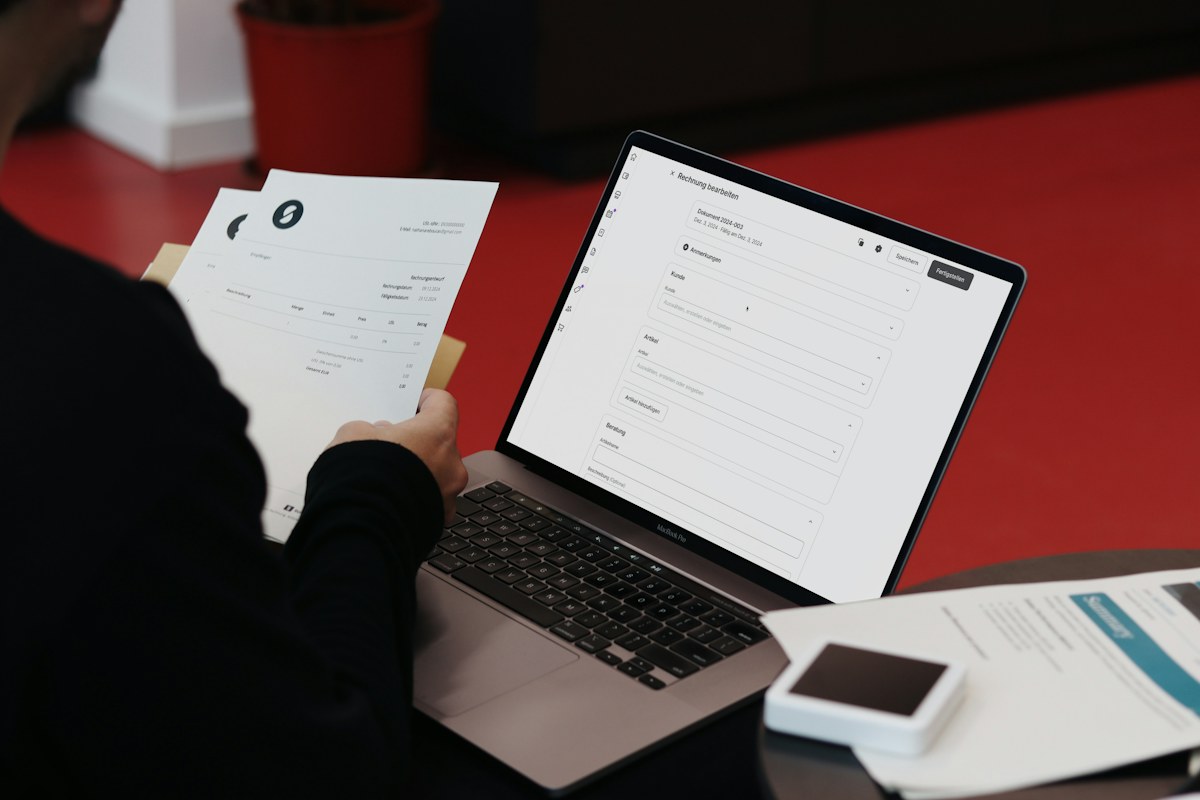
Separate an invoice, an actual charge and a request to control your computer before trying to cancel anything.
A small pause can help you choose both a cause you mean to support and a payment route that actually reaches it.
Start with one everyday login and agree who needs access, what stays private and how the owner gets back in.
Treat a number change as a set of account updates, not a single switch made by the mobile carrier.
Work out what a connection does before removing it, and keep account access separate from old data and subscriptions.
Work from the credential that is exposed to the accounts that still depend on it, without treating every alert as the same incident.
A small arrangement for power, time and restarts can keep routine updates from becoming an endless reminder.
Separate the television, the streaming device and the app accounts so that one changed setting is not mistaken for a complete privacy reset.
Verify what you need on the replacement device before following the old phone’s official sign-out and erase process.
Work from what you actually shared, then use the service’s official recovery process without returning to the suspicious page for reassurance.
A copied profile needs a precise report and a careful warning. Start by separating the account that imitates you from the account you actually control.
Organize what happened, what is known and what still needs doing, without delaying a bank call or turning private evidence into a public post.
Find the parcel you actually ordered without letting a text message choose the website, phone number or payment screen.
A scan can open a perfectly polished payment page for the wrong recipient. Establish the operator first, then choose how to pay.
A printed recovery code can help when a phone disappears. It cannot help if you need that same phone to reach the only copy.
A passkey ties sign-in to a device or credential manager. On a shared machine, the useful question is who can unlock it.
A real prompt from Google can still be approving someone else’s attempt. Match the prompt to the action you personally started.
A second network name is easy to print on a card. The useful part is deciding what someone connected to it should be able to reach.
Use one feature you actually use as the test. Android’s permission settings let you narrow access without guessing what every app does.
Google Play purchase approvals cover a particular payment system. Here is how to explain that boundary to a child before a game offers an upgrade.
An account recovery has two parts: regain control of sign-in, then look for changes that could keep exposing mail after the password change.
A short, accurate account of what moved, how it moved and when gives the payment provider a better starting point than a perfect screenshot collection.
Use the least irreversible action that fits the situation, and keep the safety of the person looking for the phone ahead of the device.
Try a broader search or choose another topic.