
Recovery steps
After You Entered a Password on a Fake Page
Work from what you actually shared, then use the service’s official recovery process without returning to the suspicious page for reassurance.
A copied profile needs a precise report and a careful warning. Start by separating the account that imitates you from the account you actually control.
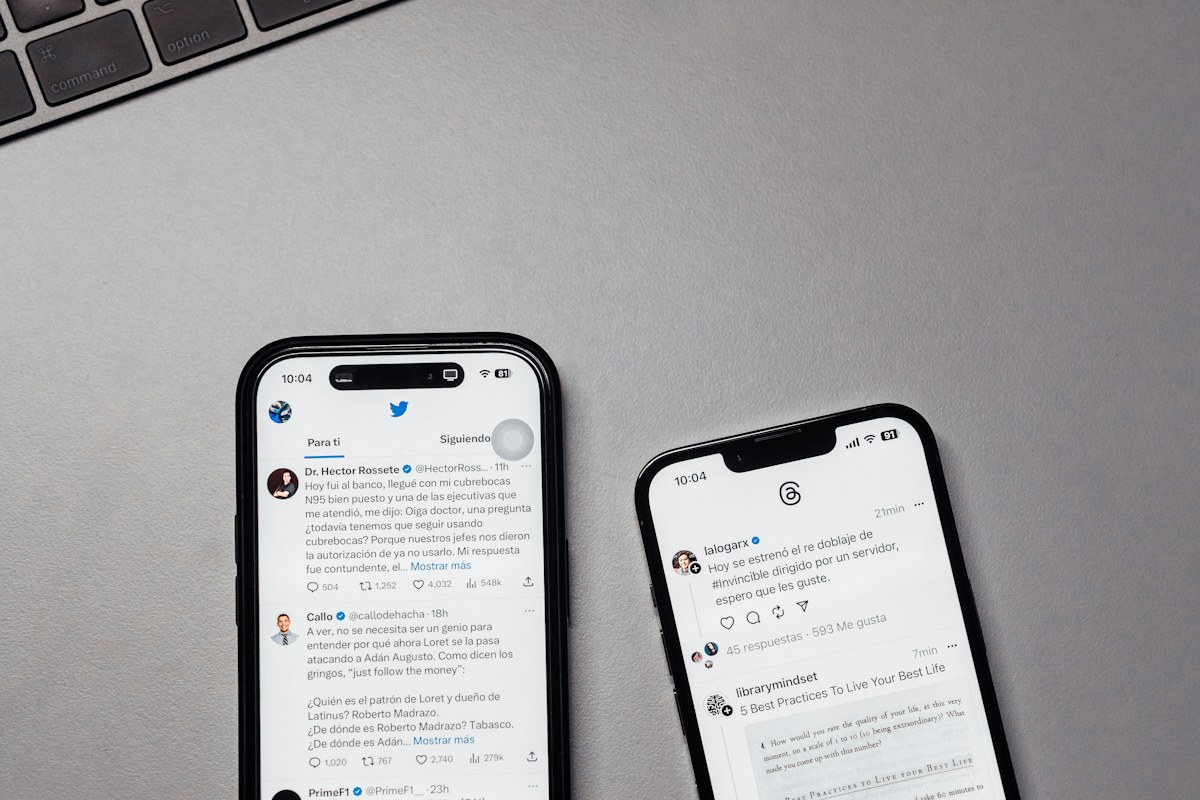
Imagine a friend sends a screenshot of a profile using your photograph and a name almost identical to yours. It is asking people for a small emergency loan. Your own account still opens normally. The temptation is to publish the fake profile everywhere and ask everyone to investigate. That can give the impersonator more attention while exposing the people you wanted to protect.
I would begin with a smaller task: identify the two accounts, check whether your original account shows signs of misuse, and find the platform's own reporting route. A good report explains what is being impersonated. A useful warning tells people what to do without inviting them into another conversation with the impostor. These are related jobs, but they do not require the same information.
A cloned account can copy publicly visible photographs, a display name, and biographical details without gaining access to the original account. A compromised account involves unauthorized access to the real account. Both can happen together, so continued access to your profile does not settle the question. Compare the actual profile addresses or account identifiers, not just the picture and name.
Open your usual service independently and review the security information it provides. Look for messages you did not send, account changes you did not make, and unfamiliar activity. Those are reasons to follow the provider's compromised-account process. The FTC's recovery guidance covers that separate problem, including restoring access and checking account security. Reporting a copy will not secure an original account that is also being misused.
For the hypothetical loan request, write two simple observations: “This address is my usual profile” and “This different address is using my photograph and asking for money.” Avoid jumping to “the platform was hacked” or naming a suspect. Accurate uncertainty helps the next person understand what you actually know. If access to your original account has changed, make that a second, clearly identified issue.
A report usually becomes more useful when it identifies the relevant account precisely. Save the address of your real profile, the address of the suspected imitation, the date you noticed it, and a short description of the misleading claim. A display name may change or belong to several people. A screenshot alone can omit the account identifier needed to locate the profile.
Keep a few relevant screenshots that show the impersonation and any request sent to you. Do not open suspicious payment links or continue a conversation to obtain a better example. If a friend received the message, ask for the minimum necessary information through your existing channel. They should not send you passwords, payment-card details, or a full archive of unrelated conversations.
Preserve an original copy privately, then make a separate redacted copy if you need to share an example with others. Removing names from a public warning is different from altering the evidence you might submit privately. A short factual description could say, “This account uses my photo and identifies itself as me. I do not control it. The attached message requests a loan.” That is clearer than a long account of guesses about the operator.
Reach the platform's Help Center through its established website or app. Search there for impersonation reporting, then check whether the route is for the person being impersonated, an authorized representative, or a bystander. These roles can require different information. A helpful friend should not claim to be you merely to get further through a form.
X provides one concrete example, not a universal rule for every service. Its guidance directs people reporting impersonation of themselves or someone they are authorized to represent to its Help Center process. Bystanders can flag a profile through the platform's reporting tools. The guidance says an X account is not generally required to report impersonation, although a particular route can involve sign-in or verification steps. Follow the current official instructions for your situation.
Describe the misleading identity claim, rather than simply saying that an account has a similar name. Different platforms distinguish impersonation from parody, fan accounts, name disputes, and other issues. Do not choose an inaccurate allegation because it seems more likely to receive attention. Keep the confirmation or case reference if the platform supplies one. Reporting does not guarantee removal, and it does not automatically award you the other account's username.
An official reporting process may request evidence that you are the person being impersonated or have permission to act for them. That does not make every request for identification legitimate. Before uploading anything, check the site address, how you reached the form, and the requirements in the platform's own help material. A direct message offering recovery services is not the same thing as a verified reporting form.
Read what the form requests and how it explains handling the information. Supply the required evidence through that process; do not attach extra identity documents merely to make the report look stronger. If the instructions permit redaction, follow those instructions. If requirements are unclear, use the official help route to clarify rather than assuming that an edited document will be accepted.
Never post an identity document publicly to prove that a profile is yours, or send it to the account impersonating you. A friend helping with the report can organize the account addresses and description without keeping copies of your documents. Be equally cautious about unsolicited people who promise guaranteed removal for a fee. A recognizable avatar, a confident title, or a claimed insider contact does not establish that they work for the platform.
Use an existing, trusted way to reach people who may receive the fraudulent request. A concise warning might say, “Someone has copied my profile and is asking for money. I am not making that request. Please do not pay or share codes. If you need to check a message, contact me through our usual channel.” There is no need to reproduce the payment link.
If a public notice is appropriate, show only enough information to help readers distinguish the accounts. Redact bystanders' names, phone numbers, and private conversation details. Do not ask followers to visit the impostor's links, argue with the operator, or collect personal information about a suspected person. A warning is useful when it reduces contact with the scam, not when it turns the situation into a public investigation.
Someone who has already paid needs a different next step from someone who merely saw the profile. Encourage them to contact their actual payment provider promptly through an independent route. Someone who disclosed a password should follow the affected provider's security and recovery instructions. They should not wait for your impersonation report to be resolved before addressing their own exposure. You can explain what happened without promising that reporting will recover their money.
Save the report reference, submission date, and any response from the platform. Record whether the account is still visible and whether you have new, relevant information. Visibility can change for several reasons, so “I cannot currently see the profile” is a more careful note than “the platform permanently removed the scammer.” Follow the official appeal or follow-up instructions if the response does not address the problem.
Avoid repeatedly submitting conflicting versions of the same story or asking people to coordinate a mass-reporting campaign. If another copy appears, identify that particular account and use the appropriate route. Keep a simple record of which profile each report concerns. This prevents a screenshot from one account being accidentally attached to a description of another.
Some situations need action outside the platform. Immediate threats or danger belong with appropriate local emergency services; do not wait for a moderation response. Fraud, stalking, or other serious conduct may also warrant local reporting according to the circumstances. Platform review, account recovery, payment-provider contact, and local assistance serve different purposes. The useful follow-up question is not just “Was the profile removed?” but “Does anyone still have an unresolved risk that needs its own response?”
Not necessarily. Public photos and profile details can be copied without accessing your account. Check your original account independently for unfamiliar activity or changes. If there are signs of unauthorized access, follow its recovery process as well as reporting the imitation.
Start with an accurate report through the route intended for you or your authorized representative. People who personally encounter the account can follow the platform’s own reporting guidance. Avoid coordinated mass reporting or asking others to investigate links and contact the impostor.
No. A platform’s genuine reporting process may require private identity verification. Verify the official form and read its requirements before uploading anything. Do not publish documents or send them to the impostor, unsolicited helpers, or a recovery service contacting you by message.
Check the platform’s official instructions. X says an account is not generally required to report impersonation, but reporting routes and verification requirements differ. Do not create assumptions about another service from one platform’s process.
They should contact the actual payment provider promptly using an independently obtained contact route and explain the transaction. They should also address any account information they shared. A platform report does not replace those steps or guarantee repayment.
The most useful response separates identity, access, and exposure. Identify the account accurately, report it through the official route, and warn people without spreading its links or their private information. Then follow each remaining problem through the service equipped to handle it. A small, clear record supports that work better than a public pile of screenshots and speculation.
Have a correction? Contact the editors.
Work from what you actually shared, then use the service’s official recovery process without returning to the suspicious page for reassurance.
Organize what happened, what is known and what still needs doing, without delaying a bank call or turning private evidence into a public post.
An account recovery has two parts: regain control of sign-in, then look for changes that could keep exposing mail after the password change.