
Scam signals
The Bank Call That Wants You to Move Your Money
A calm callback routine for an alarming call, including what changes when a caller already knows something true about your account.
Separate an invoice, an actual charge and a request to control your computer before trying to cancel anything.
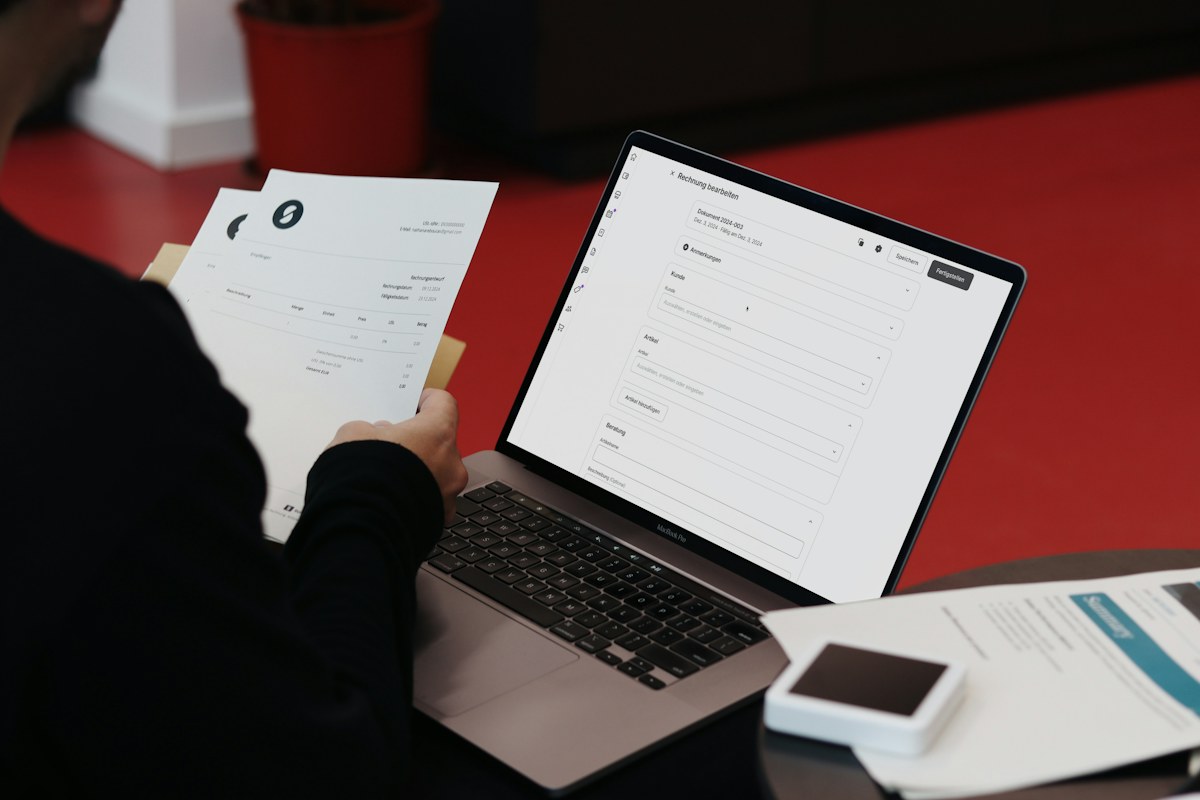
An invoice can create the feeling that money has already left your account, even when it is only a document in your inbox. Add a short cancellation deadline and a telephone number, and the next step seems obvious. I would first ask whether the charge exists in a record I opened independently.
This guide follows a hypothetical renewal notice for a household security subscription. The household does pay for security software, which makes the message plausible. But a real subscription does not establish that an incoming invoice belongs to it. Checking the account is a different task from accepting remote help, and keeping those tasks separate can stop a confusing message from becoming a much larger problem.
Open the service through your usual application or a known address. Look at the subscription name, renewal date and billing history available there. Then check the relevant bank or card account independently. An invoice, an authorization awaiting completion and a posted charge are not interchangeable records.
In the hypothetical household, the genuine subscription renews next month, while the email demands action today. That discrepancy is a reason to investigate through the real provider, not to call the number in the email for an explanation. Even a matching date would not prove the sender’s identity; familiar details can be copied or guessed.
If you cannot locate the subscription, consider which household member originally purchased it and which account they used. Ask them directly without forwarding suspicious attachments. The answer may be an ordinary billing misunderstanding, but it should come from the service and account owner rather than a stranger who controls the conversation.
A legitimate billing enquiry has a limited purpose: identify an account, explain a charge and discuss the available options. Remote control of a household computer is a much broader capability. I would stop when a caller asks to cross that boundary, especially if the conversation began with an unexpected invoice.
The FTC and FBI have described renewal scams that progress from a callback to remote-access software, bank sign-in and a supposed refund error. The exact company name and story can change. The important question is what the caller now wants you to let them do, not whether their earlier explanation sounded familiar.
Remote-support software has legitimate uses, so the presence of a recognizable application does not settle the question. Permission should follow a support relationship you independently established and understand. It should not be granted because an unsolicited caller says a refund will expire or claims that the next click is merely a formality.
You do not need to prove a caller is fraudulent before ending an uncomfortable conversation. A plain sentence is enough: you will check the account with the provider directly. Do not ask the caller to transfer you to another department; a transfer inside the same call is not an independent connection.
If the caller insists that hanging up will cancel your refund, treat that pressure as another reason to use the real provider’s route. Write down only what you need to remember, then end the conversation. Avoid revealing the balance of your bank account, other products you own or which relative could help you pay.
Afterward, choose contact information from an established account or existing documentation. Search results can include advertisements and misleading support pages, so check the destination rather than assuming the first result is official. A familiar logo and a telephone number printed beside it are not enough to establish who will answer.
Suppose the helper claims that a $200 refund accidentally became $2,000 and asks for the difference back. Those are invented amounts for this example. The sudden obligation can make the reader focus on being honest and helpful, rather than on whether the supposed refund is real.
Do not use a screen controlled or directed by that person as the sole evidence. End the interaction and contact your bank or payment provider independently. Explain what appeared and what the caller asked you to send. Do not make a separate payment, buy gift cards or move money to correct a story you cannot verify.
A genuine billing error should be handled through the responsible institution’s actual process. The person requesting repayment does not get to choose both the evidence and the destination. You can cooperate with a legitimate correction after verifying it, without taking financial instructions from someone who obtained access through an unexpected message.
Stop the remote session and end the call. If you cannot confidently end the connection, disconnect the affected device from its network while you arrange trusted help. Do not continue opening financial accounts on that computer to check the caller’s story. Use a separate trusted device or an independently obtained telephone number to contact the relevant provider.
Tell the bank promptly if account details were exposed or transfers may have been made. Separately, follow the software or device provider’s guidance for reviewing remote-access applications and checking the device. Removing one visible program does not prove that all unwanted access or malicious software is gone.
If you changed passwords while the remote helper could observe the session, tell the relevant support provider what happened and secure those accounts from a trusted device. Keep the order practical: stop current access, address urgent financial exposure and obtain appropriate device help. A polished incident report can wait until immediate protective actions are underway.
Once the suspicious interaction is contained, return to the original question: does a genuine renewal need attention? Check the actual account and cancellation process. Ignoring a fraudulent invoice does not cancel a real subscription, and changing a payment card is not a universal cancellation method.
A small household record can help next time. Note the provider, account owner, ordinary renewal period and where the genuine billing record lives. Do not store passwords or full card details in this reminder. Its job is to help someone find the right account, not give every household member access to everything.
Keep any bank or provider case references and the next agreed action. If an unknown person later offers to speed up the refund, check them independently as well. The purpose of the record is to make follow-up calmer; it should not become a reason to keep talking with the original caller or send more personal information.
No. A real product name or a subscription you actually hold can make a false message convincing. Compare the claim with the provider account and financial record you opened yourself. Contact the provider through an established route if anything remains unclear. Do not let the incoming message supply the only evidence and callback number.
No. Such tools can support legitimate, authorized help. The problem is granting broad access to an unverified person, particularly after an unsolicited renewal message. Decide who is providing support, why access is necessary and how to end it before agreeing. A recognizable software brand does not authenticate the person using it.
End the conversation and assess what you actually disclosed. Calling is different from granting access, entering credentials or making a payment. If you supplied sensitive information, contact the relevant provider through its verified route. If nothing was disclosed, independently check any real billing question rather than continuing with the caller.
It should not be treated as proof that the device is clean or every account is secure. Other changes may have occurred during the session. Follow trusted device and service guidance, and use a separate trusted route for urgent financial or account protection. Explain the remote-access incident accurately when asking for help.
Contact the actual payment provider promptly and ask what options apply to the transaction. Describe whether you made the payment after deception or did not authorize it at all. Outcomes, procedures and legal protections differ. Do not pay a new caller an advance fee on the promise that recovery is guaranteed.
An unexpected renewal message should lead to an independent account check, not control of your device. Keep the invoice, financial record and requested action as separate questions. If the conversation has already crossed into remote access, stop that access and address the exposure through trusted channels. The genuine subscription, if there is one, can then be managed on its own terms.
Have a correction? Contact the editors.
A calm callback routine for an alarming call, including what changes when a caller already knows something true about your account.
Keep a simple sale from turning into a request to move someone else’s money, even when the payment appears convincing.
A small pause can help you choose both a cause you mean to support and a payment route that actually reaches it.