Scam signals
It is me. I have a new number.
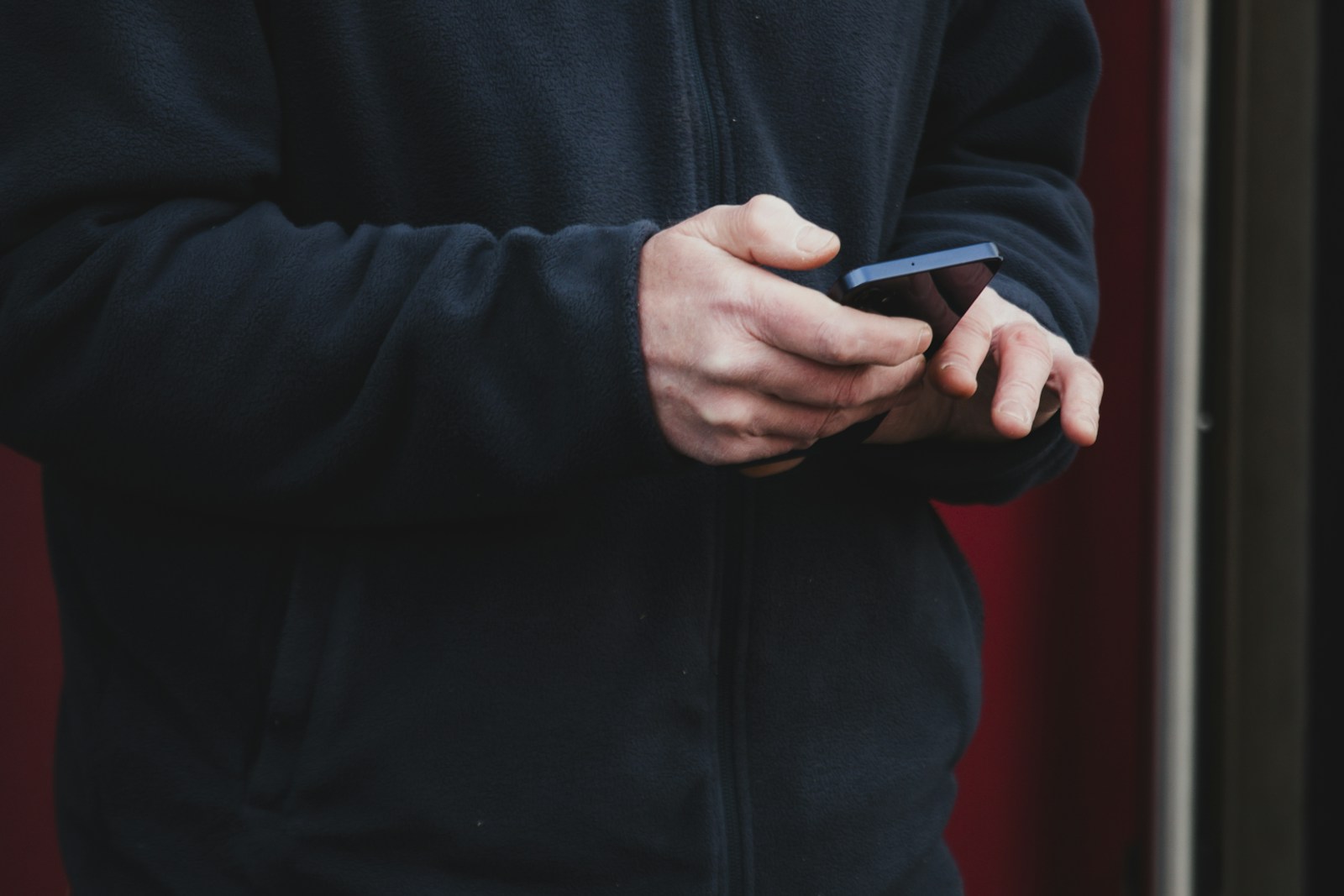
A message from an unfamiliar number asks for a small favor. Here is how to check who is asking without making a real relative feel accused.
Scam signals
A message from an unfamiliar number asks for a small favor. Here is how to check who is asking without making a real relative feel accused.
A calm callback routine for an alarming call, including what changes when a caller already knows something true about your account.
Keep a simple sale from turning into a request to move someone else’s money, even when the payment appears convincing.
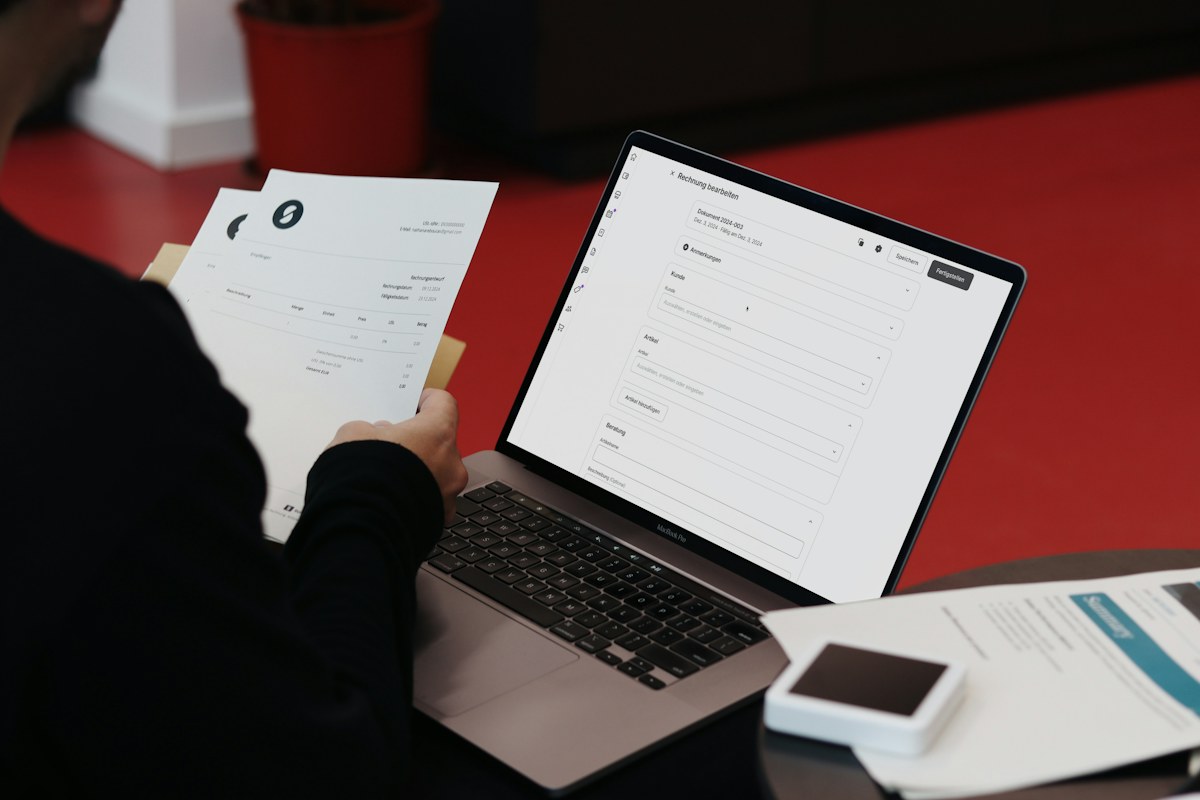
Separate an invoice, an actual charge and a request to control your computer before trying to cancel anything.
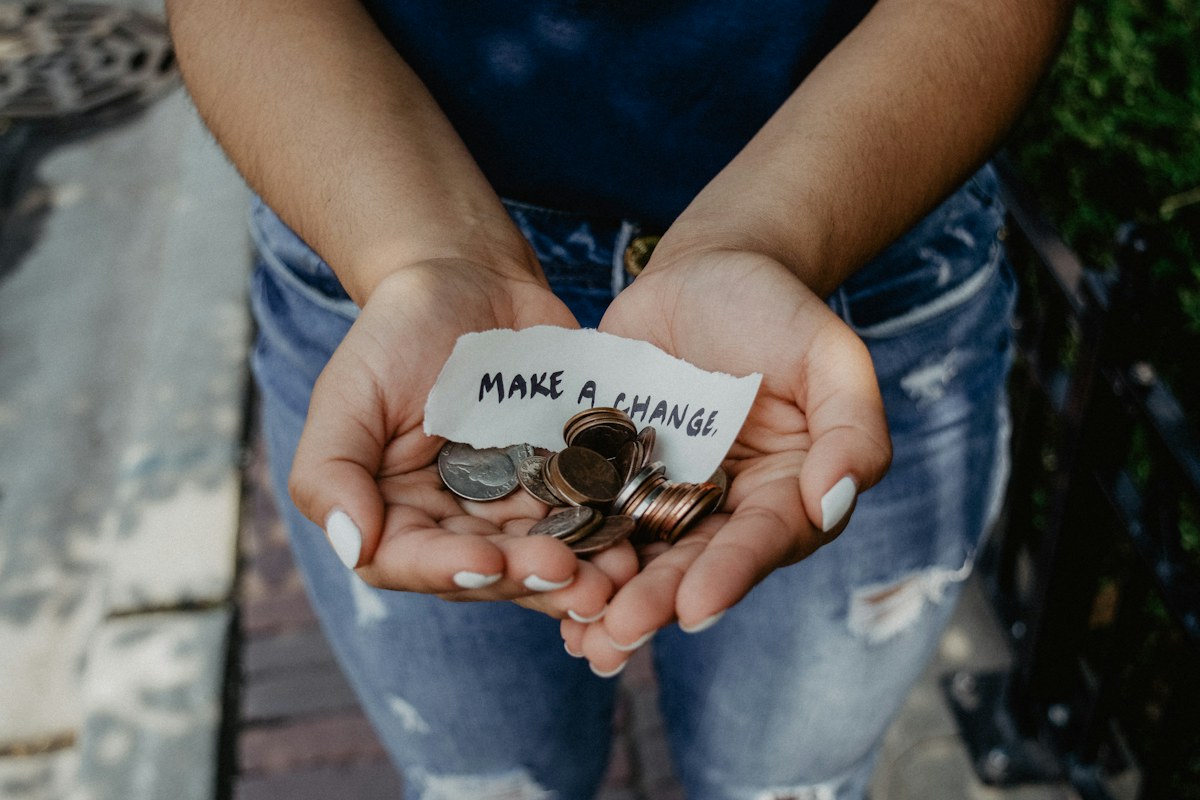
A small pause can help you choose both a cause you mean to support and a payment route that actually reaches it.
Find the parcel you actually ordered without letting a text message choose the website, phone number or payment screen.
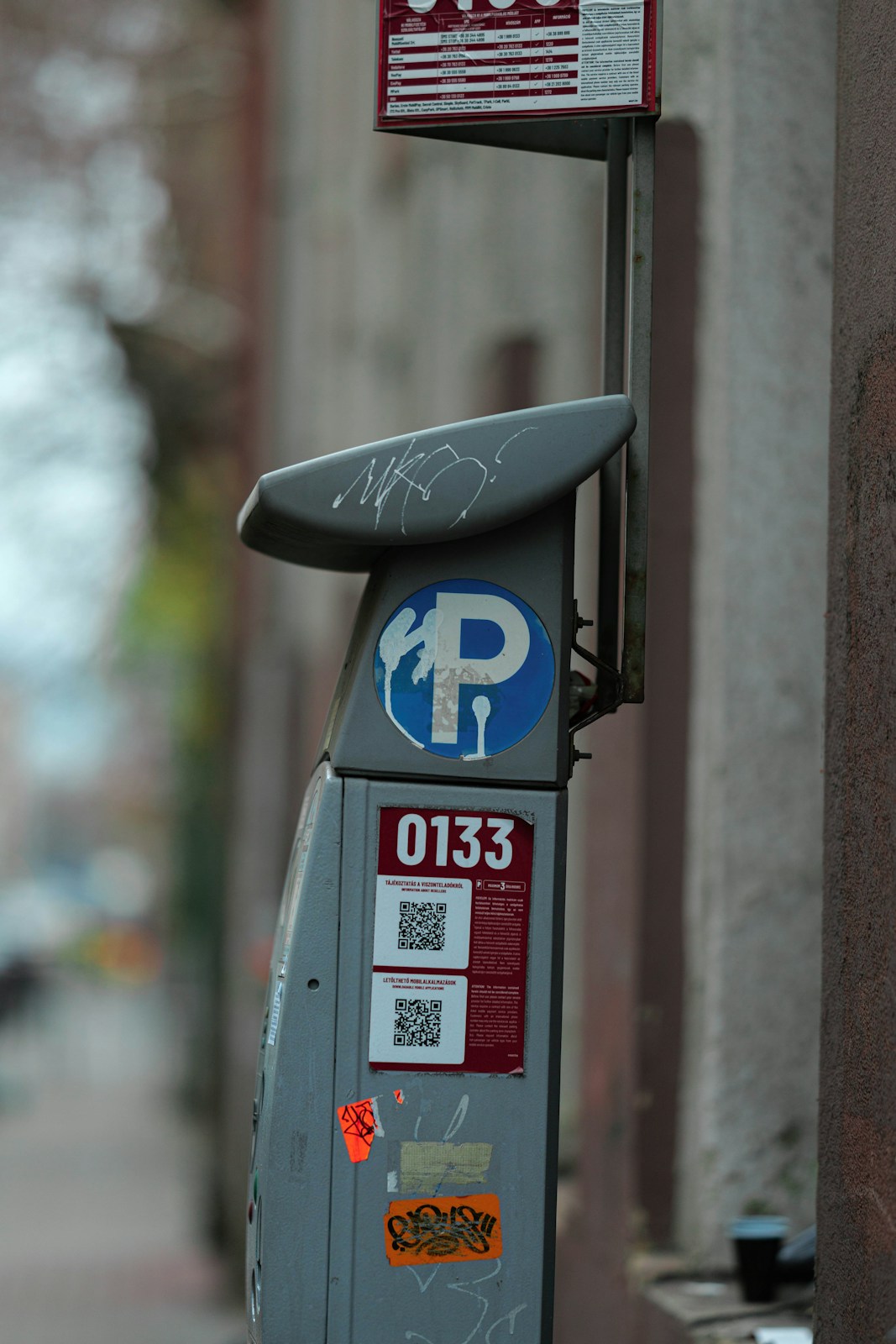
A scan can open a perfectly polished payment page for the wrong recipient. Establish the operator first, then choose how to pay.